 by digitalseries
Why Humans Still Matter in AI Mode
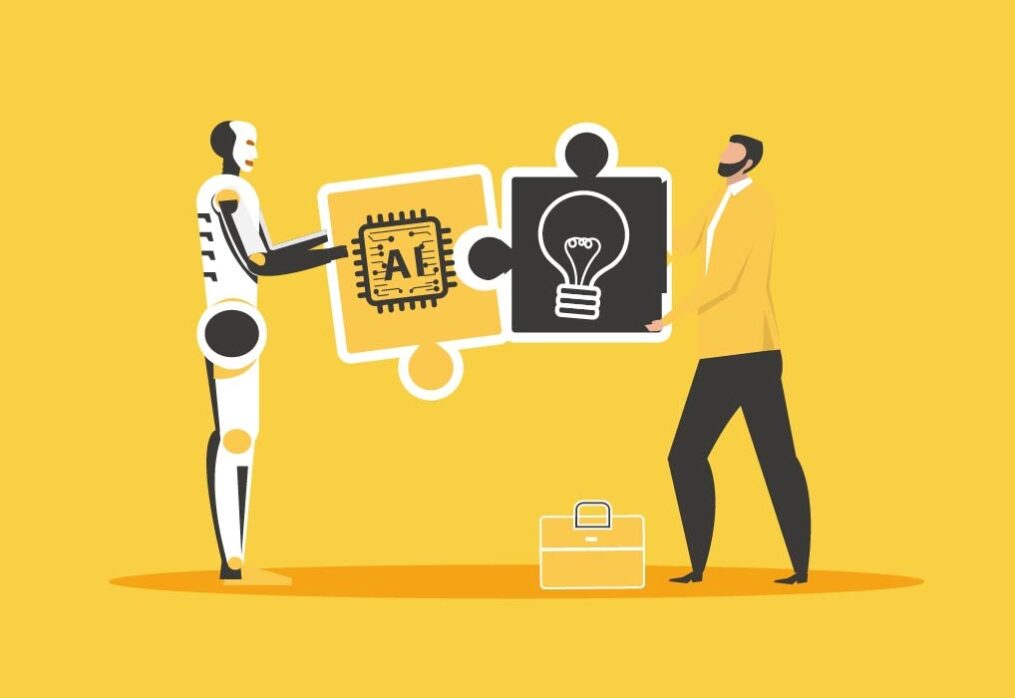
Imagine AI in mode: sleek, tireless, caffeinated on data, always ready to optimize, summarize, and brainstorm. Now imagine humans in mode: curious, conflicted, occasionally distracted by a snack, but alive with ethics, and the magic of imagination. Put them together, and you don’t get a showdown; you get a symphony—two very different instruments playing in a concert hall of possibility. Let’s deep dive with digitalseries, a renowned SEO Agency in India.
What is AI Mode, anyway?
In the land of ones and zeros, AI Mode is the state where intelligent machines churn through patterns, predict outcomes, draft ideas, and optimize processes with geometric speed. It’s the precision you want for data-crunching, the speed you crave for logistics, the consistency you crave for repetitive tasks.
But AI Mode isn’t the magic that makes meaning; it’s the engine that can propel a good idea into a great one—provided a human steward is at the helm. Because meaning isn’t just about what’s efficient; it’s about what’s humane, what connects, and what we choose to create.
Why Humans Still Matter in AI Mode
This is the centerpiece, the crown jewel, the moment where the robot’s jaw drops and says: “Oh, right, you have something I don’t.” Here are the human superpowers that keep mattering, even when the chips are humming.
- Empathy is not an algorithm
AI can simulate empathy, but it can’t feel the weight of a friend’s grief or the sting of a misinterpreted message the way a person does. Empathy is a lived experience, not a line of code. In customer support, leadership, teaching, or therapy-adjacent roles, humans translate digital signals into human understanding. - Context, culture, and the long view
Machines can spot patterns; humans supply context. What a trend means in one culture can be off-base in another. People bring history, ethics, and a sense of evolving norms to the table—things AI tends to treat as data points rather than living, changing weather. - Creativity as a rebellious force
AI can remix, imitate, and accelerate. Humans can break rules, imagine the impossible, and blend disparate domains into something new. The inspiration spark—myth, satire, metaphor, dream logic—remains stubbornly human. - Judgment under uncertainty
AI loves probability. Humans tolerate ambiguity, weigh conflicting values, and take responsibility for decisions with real-world consequences. When the stakes are high, we want human judgment to guide the way. - Narrative power and persuasion
Numbers tell you what happened; stories tell you why it matters. Humans shape narratives that anchor data in meaning, evoke emotion, and motivate action. The best AI-assisted work doesn’t just present facts; it tells a reason to care. - Ethics, safeguards, and accountability
AI follows instructions; humans decide which instructions to follow—and which to rewrite. We design guardrails, question bias, demand transparency, and bear responsibility for outcomes. That’s not old-fashioned; that’s essential. - The tiny edge cases
Real life is full of quirky exceptions. AI excels at the rule; humans excel at the exceptions. Together, we can build systems that handle both gracefully.
Real-world moments of human-AI magic
- The co-authored campaign
A marketing team fed an AI a brief, then humans iterated with wit, tone, and cultural breadcrumbs. The result? Copy that lands with precision and personality—zero cookie-cutter vibes, lots of “that’s so true” moments from users. - The editor’s ally
An AI drafts a first-pass article outline; a human adds the soul—humor, context, ethical considerations, and a dash of daring. The piece lands with clarity, warmth, and a spine that won’t buckle under a tough topic. - The design partner
AI suggests patterns and layouts, humans tune accessibility, contrast, and storytelling flow. The product feels not just usable, but lived-in and human-friendly.
How to team up with AI in a human-centered way
- Start with a clear problem statement
Define the user, the goal, and the ethics at stake. AI is a tool; your clarity is the compass. - Let AI draft options, then pick, prune, and pivot
Use AI for breadth—generate alternatives, surface edge cases, map out timelines. Then bring in human judgment to select the best path and tune for culture and context. - Add the human touch
Infuse empathy, tone, narrative, and ethical guardrails. If something feels off, it probably is—trust that instinct. - Iterate with feedback loops
Treat AI as a collaborator that benefits from feedback. Refine prompts, tune constraints, and re-check outcomes against human values. - Establish accountability and transparency
Document decisions, reveal when AI contributed, and explain why humans made the final call. This builds trust and safety. - Guardrails, ethics, and continuous learning
Build in checks for bias, privacy, and harm. Commit to learning from mistakes and updating the system.
Busting myths about humans in an AI-driven world
- Myth: AI will replace humans entirely
Reality: AI excels at repetitive, high-volume tasks and data interpretation. Humans excel at strategy, empathy, governance, and imaginative problem-solving. The future is collaboration, not replacement. - Myth: If AI can do it, it’s better
Not always. AI can optimize for efficiency, but humans optimize for meaning, values alignment, and long-term impact. - Myth: More data means more truth
Data quality, context, and bias matter more than sheer volume. Humans are needed to interpret, challenge, and validate conclusions. - Myth: If it’s ethical, it’s easy
Ethics in AI requires ongoing dialogue, diverse perspectives, and courage to change course. Humans lead that charge.
Practical tips to stay human-smart in AI mode
- Practice conversational clarity
Extra human-ness in clarity pays off. Use plain language, explain why choices matter, and invite questions. - Sharpen your storytelling
Learn to anchor data in a narrative with a human protagonist (your user). Stories make complex ideas digestible and memorable. - Cultivate cross-disciplinary literacy
The more you know about different domains, the better you can bridge gaps and spot creative opportunities. - Develop ethical fluency
Stay curious about bias, privacy, fairness, and accountability. Build a habit of testing not just “Can we build this?” but “Should we?” - Lead with curiosity, not fear
AI is a tool, not a tyrant. Curious leadership invites experimentation while protecting people and values. - Embrace fallibility
It’s okay to make mistakes with AI. Owning them, learning from them, and iterating is how we improve.
The human heartbeat in a silicon century
AI Mode is a powerful toolkit that speeds up tasks, personalizes experiences, and scales impact. Yet the human heartbeat—the values we hold, our sense of humor, ethical judgment, and pursuit of meaning—remains the compass guiding how we use this tool. The machine provides velocity and reach; we bring depth, care, and courage. When they work in harmony, we don’t just improve outcomes—we pursue what truly matters.
Let’s move with the most prominent SEO Company in Chandigarh India to build a future where human brilliance and machine intelligence are teammates in shaping a better world.